Blog

Roulette Tables


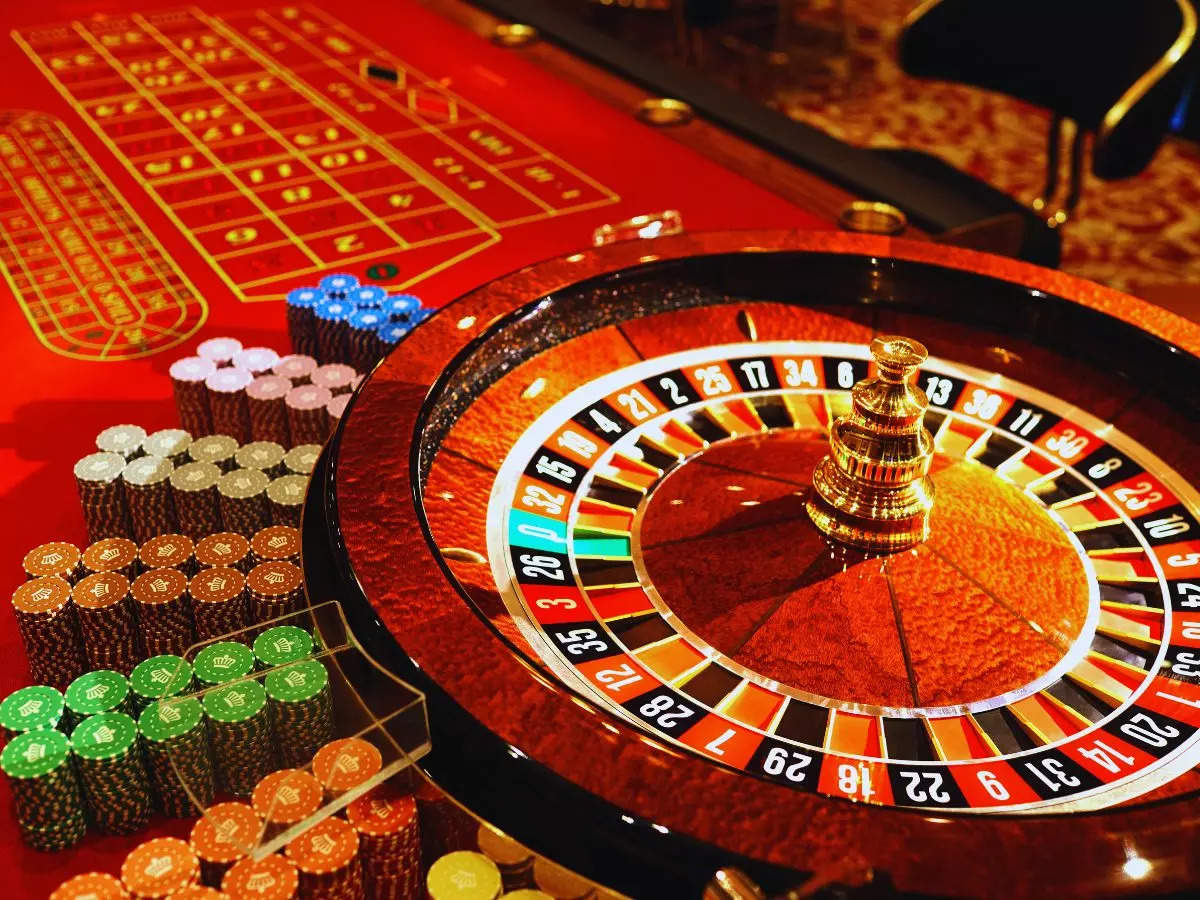
Roulette tables combine a wheel with a marked surface used during the game. The equipment creates a distinctive arrangement within a gaming room, with designated areas for the wheel, participants, and the staff member managing the activity.

The height and position of the table affect visibility and movement around it. Like other specialized furnishings, it also needs suitable lighting, cleaning, and inspection so that its physical condition remains appropriate for regular use.

The relationship between appearance and function is especially important in a frequently used venue. Decorative choices contribute to character, but the same materials and objects must also withstand cleaning, movement, and repeated handling. A design can remain attractive for longer when maintenance requirements are considered before the space begins operating.

Periodic review allows a property to compare its intended arrangements with actual daily use. Useful questions concern access, comfort, waiting, maintenance, and the clarity of information. These observations do not require every space to look the same; they help each area perform its particular role within the larger venue.

The most informative assessment considers the entire journey through the property. A comfortable room can still be difficult to use if it is poorly signposted, and a clear entrance can lead to confusing internal routes. Looking at these connections gives a fuller picture than judging individual features entirely in isolation.

The table can be understood as an example of equipment design in which layout, visibility, and established procedures are closely connected. Over time, changes in visitor patterns and service arrangements may call for adjustments, making regular observation a useful complement to the original design and to the procedures established when a facility first opens.

Casino Memorabilia


Casino memorabilia consists of objects associated with particular properties, events, or periods of entertainment history. Printed programs, postcards, promotional items, and retired decorative pieces can provide a tangible connection to the places where they originated.

The meaning of an object often depends on information about its date, use, and source. Careful descriptions distinguish documented details from uncertain associations, especially when similar designs were used by several venues over time.

Changes within one department can affect several others. Moving an entrance, altering an event schedule, or temporarily closing a service point may change visitor routes and staff workloads elsewhere. Communicating these changes in advance makes it easier for different teams to provide consistent information and adjust their own preparations.

The size of a property influences how responsibilities are divided. A smaller venue may use a compact team across several functions, while a larger complex can support specialized departments. In either case, visitors encounter the combined result, so communication between the people delivering different services remains an important practical concern.

Consistency does not mean that every area must have an identical character. A property can contain quiet rooms, active public spaces, and formal service settings while using the same underlying approach to directions and communication. This combination allows variety without requiring visitors to learn a completely new system at every doorway.

A collection is more informative when the stories attached to its objects can be understood alongside their physical appearance. Considering the visitor journey together with the work performed behind the scenes gives a more complete understanding of the subject than an assessment based entirely on appearance or on a single moment of use.

Poker Rooms


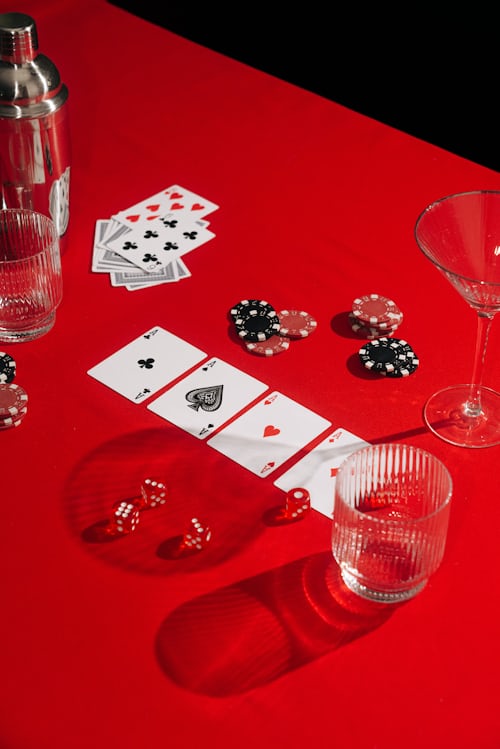
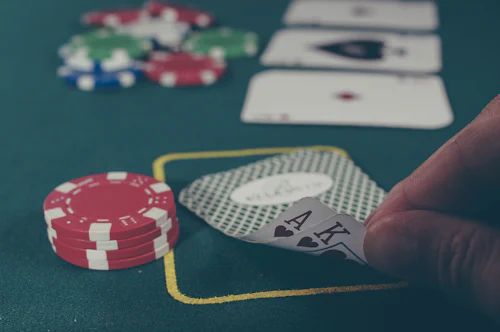
Poker rooms are dedicated areas where card games take place at a group of tables. They may operate as separate rooms or as clearly identified sections within a larger casino, with their own seating and service arrangements.

A room needs a way to organize available tables and communicate with people waiting for a place. Scheduled events can require additional planning for registration, breaks, and the movement of participants between tables.

The experience of a space can change with the time of day and the number of people present. An arrangement that feels spacious during a quiet afternoon may need more active management before an evening event. Observing ordinary patterns of use provides useful information about where additional signs, assistance, or room may be needed.

Information should be presented in a form that suits its audience. Visitors usually need a concise explanation of where to go or what is available, while staff may require more detailed instructions. Keeping these purposes distinct helps avoid crowded signs and makes internal procedures easier to maintain when arrangements change.

There is no single arrangement that suits every destination. The age of the building, available floor area, surrounding transport, and mix of facilities all influence the choices available. A city property and a spacious resort may address similar needs through different layouts, even when they offer broadly comparable services to their visitors.

The room functions as a distinct operational environment, combining shared card equipment with organized seating and clear communication. Looking at the subject in this broader context helps explain why apparently small decisions can matter to several departments and why practical arrangements deserve attention alongside the more visible features of a venue.

Casino Event Planning


Casino event planning coordinates gatherings within properties that already support several ongoing activities. An event might occupy a meeting room, a ballroom, a restaurant, or an outdoor area, depending on its size and practical requirements.

Planners establish a schedule for preparation, guest arrival, catering, presentations, and removal of equipment. They also account for the normal operation of nearby facilities so that a temporary event does not obstruct unrelated visitor services.

Changes within one department can affect several others. Moving an entrance, altering an event schedule, or temporarily closing a service point may change visitor routes and staff workloads elsewhere. Communicating these changes in advance makes it easier for different teams to provide consistent information and adjust their own preparations.

Routine observation is an important part of managing this environment. Staff can note recurring questions, worn surfaces, difficult routes, or delays that are not obvious from a drawing. These observations provide a practical starting point for small improvements and help distinguish a temporary inconvenience from an issue that appears repeatedly.

Temporary conditions can reveal details that are less noticeable during routine operation. A busy performance, a maintenance closure, or a change in weather may alter how people use the building. Reviewing these situations helps teams prepare practical alternatives and keep their explanations consistent when the normal arrangement is unavailable.

The planning process translates a proposed experience into a sequence of tasks that different departments can carry out together. Considering the visitor journey together with the work performed behind the scenes gives a more complete understanding of the subject than an assessment based entirely on appearance or on a single moment of use.

Casino Customer Service


Casino customer service covers the assistance provided to visitors across an entertainment property. It includes answering questions, explaining services, directing people to the correct department, and responding to concerns about the experience of a visit.

Many requests are resolved through simple clarification, while others require coordination between teams. Recording the issue accurately can help prevent a visitor from repeating the same explanation when responsibility passes from one employee to another.

Public entertainment properties bring together people with different expectations and levels of familiarity with the building. Some visitors follow a planned schedule, while others explore the available facilities. Clear information and recognizable service points help both groups make practical decisions without needing to understand the internal organization of the property.

The size of a property influences how responsibilities are divided. A smaller venue may use a compact team across several functions, while a larger complex can support specialized departments. In either case, visitors encounter the combined result, so communication between the people delivering different services remains an important practical concern.

The wider setting also matters. A property beside a busy street faces different arrival patterns from one reached mainly by private transport. Nearby hotels, event spaces, and public routes can influence the flow of visitors, making the relationship between the venue and its surroundings part of everyday operational planning.

Consistent service depends on communication and follow-through, particularly when a property contains many different facilities and points of contact. The details may differ between properties, but examining how people use the space provides a consistent way to understand its purpose and identify the everyday connections that support the complete visitor experience.

Casino Concierge Services


Casino concierge services help guests navigate the facilities of a property and the surrounding destination. Typical requests concern restaurant reservations, local directions, transport arrangements, event information, and other practical details associated with a visit.

A concierge desk relies on current information and communication with several departments. Availability can change quickly, so staff often need to confirm a booking or schedule rather than relying solely on printed material or general recommendations.

Public entertainment properties bring together people with different expectations and levels of familiarity with the building. Some visitors follow a planned schedule, while others explore the available facilities. Clear information and recognizable service points help both groups make practical decisions without needing to understand the internal organization of the property.

Periodic review allows a property to compare its intended arrangements with actual daily use. Useful questions concern access, comfort, waiting, maintenance, and the clarity of information. These observations do not require every space to look the same; they help each area perform its particular role within the larger venue.

There is no single arrangement that suits every destination. The age of the building, available floor area, surrounding transport, and mix of facilities all influence the choices available. A city property and a spacious resort may address similar needs through different layouts, even when they offer broadly comparable services to their visitors.

The service is most effective when it gives visitors accurate options and clear explanations about the arrangements being made. The details may differ between properties, but examining how people use the space provides a consistent way to understand its purpose and identify the everyday connections that support the complete visitor experience.

Casino Energy Management


Casino energy management concerns the operation of lighting, heating, cooling, and other systems that consume energy. A large property can contain rooms with very different occupancy patterns, making its overall demand change throughout the day.

Monitoring helps facilities teams understand when and where equipment is being used. Adjustments can then be considered alongside comfort and operational needs, rather than treating every room as if it followed the same schedule.

The relationship between appearance and function is especially important in a frequently used venue. Decorative choices contribute to character, but the same materials and objects must also withstand cleaning, movement, and repeated handling. A design can remain attractive for longer when maintenance requirements are considered before the space begins operating.

The size of a property influences how responsibilities are divided. A smaller venue may use a compact team across several functions, while a larger complex can support specialized departments. In either case, visitors encounter the combined result, so communication between the people delivering different services remains an important practical concern.

There is no single arrangement that suits every destination. The age of the building, available floor area, surrounding transport, and mix of facilities all influence the choices available. A city property and a spacious resort may address similar needs through different layouts, even when they offer broadly comparable services to their visitors.

The subject connects routine building operation with longer-term decisions about equipment, maintenance, and the way spaces are occupied. Over time, changes in visitor patterns and service arrangements may call for adjustments, making regular observation a useful complement to the original design and to the procedures established when a facility first opens.

Casino Gaming Machines


Casino gaming machines are electronic devices used for individual gaming activities. Cabinets, screens, controls, seating, and surrounding circulation space together define the physical setting in which a visitor interacts with a machine.

From a facilities perspective, equipment placement must account for power, ventilation, cleaning, and maintenance access. Rows of devices also influence sight lines and walking routes, so their arrangement is part of the wider floor plan.

Public entertainment properties bring together people with different expectations and levels of familiarity with the building. Some visitors follow a planned schedule, while others explore the available facilities. Clear information and recognizable service points help both groups make practical decisions without needing to understand the internal organization of the property.

Periodic review allows a property to compare its intended arrangements with actual daily use. Useful questions concern access, comfort, waiting, maintenance, and the clarity of information. These observations do not require every space to look the same; they help each area perform its particular role within the larger venue.

Consistency does not mean that every area must have an identical character. A property can contain quiet rooms, active public spaces, and formal service settings while using the same underlying approach to directions and communication. This combination allows variety without requiring visitors to learn a completely new system at every doorway.

The machine area connects digital equipment with an ordinary public interior that still depends on accessibility and reliable upkeep. The details may differ between properties, but examining how people use the space provides a consistent way to understand its purpose and identify the everyday connections that support the complete visitor experience.

Casino Game Equipment


Casino game equipment includes the physical objects and devices used to support different gaming activities. Cards, tables, tokens, wheels, and electronic terminals each have distinct storage, inspection, and maintenance requirements.

An equipment inventory helps staff locate supplies and plan replacements. Records can also show which items belong to a particular area, making it easier to prepare a room or temporarily remove equipment that requires attention.

The relationship between appearance and function is especially important in a frequently used venue. Decorative choices contribute to character, but the same materials and objects must also withstand cleaning, movement, and repeated handling. A design can remain attractive for longer when maintenance requirements are considered before the space begins operating.

Routine observation is an important part of managing this environment. Staff can note recurring questions, worn surfaces, difficult routes, or delays that are not obvious from a drawing. These observations provide a practical starting point for small improvements and help distinguish a temporary inconvenience from an issue that appears repeatedly.

The most informative assessment considers the entire journey through the property. A comfortable room can still be difficult to use if it is poorly signposted, and a clear entrance can lead to confusing internal routes. Looking at these connections gives a fuller picture than judging individual features entirely in isolation.

Managing this equipment is a practical process that links purchasing and storage with the daily needs of the gaming floor. Over time, changes in visitor patterns and service arrangements may call for adjustments, making regular observation a useful complement to the original design and to the procedures established when a facility first opens.

Casino Housekeeping


Casino housekeeping maintains the cleanliness and presentation of accommodation and public spaces. The work may involve guest rooms, corridors, washrooms, lounges, and other areas, each with a different schedule and pattern of use.

Teams plan tasks around occupancy, access, and the presence of visitors. Supplies and equipment need to be stored and moved efficiently, while communication with reception and maintenance helps resolve issues that cannot be handled through cleaning alone.

The relationship between appearance and function is especially important in a frequently used venue. Decorative choices contribute to character, but the same materials and objects must also withstand cleaning, movement, and repeated handling. A design can remain attractive for longer when maintenance requirements are considered before the space begins operating.

Information should be presented in a form that suits its audience. Visitors usually need a concise explanation of where to go or what is available, while staff may require more detailed instructions. Keeping these purposes distinct helps avoid crowded signs and makes internal procedures easier to maintain when arrangements change.

Temporary conditions can reveal details that are less noticeable during routine operation. A busy performance, a maintenance closure, or a change in weather may alter how people use the building. Reviewing these situations helps teams prepare practical alternatives and keep their explanations consistent when the normal arrangement is unavailable.

Housekeeping is a continuing operational activity whose results are visible throughout the property, even when the work itself remains unobtrusive. Over time, changes in visitor patterns and service arrangements may call for adjustments, making regular observation a useful complement to the original design and to the procedures established when a facility first opens.